Wednesday, October 30, 2013

Meet the Ethiopian girls who refuse to be silenced (video)

Yegna concertOn the stage, Ethiopia’s first girl band, Yegna, performed their hit single Abet with the crowd singing with them: “We are here, we will not be silenced.” Photograph: Girl Effect
In the small town of Akaki, 20km south of Addis Ababa, an overgrown stadium was transformed into a sea of thousands of girls, all dressed in brightly coloured t-shirts. All of them were part of something that had never been done before.
On the stage, Ethiopia’s first girl band, Yegna performed their hit single Abet with the crowd singing with them: “We are here, we will not be silenced.”
At the entrance, groups of men and boys looked on as hundreds of girls in the priority queue walked in ahead of them. The VIP area, usually reserved for members of the government, was this time set aside for teenage girls.
“Everything is amazing,” said 14-year-old Rebkah who had walked from the nearby town Kaliti. “I got a ticket through my school and I’ve never been to a concert before. I came here with my sister, mother and my brothers. The songs all sound really beautiful.”
This was one of two Yegna concerts arranged by Girl Hub – held in Akaki and Bahir Dar – to mark International Day of the Girl earlier this month. The shows also celebrated series two of the Yegna radio drama and talk show, which launched last Sunday. Flyers and posters advertised that everyone was welcome, but in order to get a ticket, concert goers had to ‘be a girl or bring a girl’.
Yegna actress and band member Teref Kassahun Tsegaye, who plays Melat in the drama, said: “These concerts are about celebrating every daughter, sister and mother in Ethiopia. I’m so excited to be singing our songs in front of thousands of girls and I hope they will be inspired by our message.”
Promoters of the concert rode Yegna-decorated mules, three-wheeled bajajas and motorbikes, to remote areas around the two towns. They targeted schools, youth clubs, women’s associations and villages within a 5km radius of the events.
“When I explained to people that this was a celebration of Ethiopian girls they loved it, because there is nothing for girls here,” said 23-year-old Helen Kedir, who was part of the promotional team in Bahir Dar.
“We even started distributing tickets in our free time because we really wanted this to be a success. By the end, everyone was asking me for a ticket wherever I went.”
Yegna has fast become a pop sensation since its launch in April. Thirty-five buses carrying Yegna ambassadors travelled through Ethiopia’s rural Amhara region on the way to the Bahir Dar concert.
They stopped in communities along the way handing out posters, painting schools and hospitals. They danced in the street to raise awareness of Yegna and leave some of its magic behind.
“We’ve been overwhelmed by people’s reactions. I’ve been handing out grain bags with Yegna’s logo on them and everyone’s been rushing over to take one and ask about the radio show,” said 22-year-old student Gezahegn Getaye.
As the concert came to a close in Akaki, the girls on stage took in the applause, smiling and slightly overwhelmed by the response.
“Events like this don’t happen for girls in Ethiopia,” said 26-year-old Eleni, who works as a housemaid in Addis Ababa. “Seeing Yegna is something I will remember forever. I like Mimi, but they all feel like my friends.”

Content on this page is produced and controlled by girl effect

Couple sentenced to 28 and 37 years in prison for Hanna’s Death

By Associated Press, MOUNT VERNON, Wash. — A Washington couple accused of starving, beating and forcing their adopted daughter outside as punishment were sentenced Tuesday to decades in prison for her death.
Larry and Carri Williams were convicted Sept. 9 of manslaughter in the death of a teenage girl they adopted from Ethiopia. Carri Williams was also found guilty of homicide by abuse.
Hana Williams was found dead May 12, 2011, in the backyard of the family home in Sedro-Woolley, about 60 miles north of Seattle. The autopsy said she died of hypothermia, with malnutrition and a stomach condition as contributing factors.
Carri Williams was sentenced Tuesday to just under 37 years, the top of the standard sentencing range, by a judge who said she probably deserved more time in prison, the Skagit Valley Herald reported. Her husband received a sentence of nearly 28 years.
Both also were found guilty of assault of a child for punishing a boy they adopted in 2008 from Ethiopia at the same time as Hana.
Larry and Carri Williams were convicted after a seven-week trial in Skagit County Superior Court. Defense lawyers told jurors that questionable parenting practices didn’t necessarily amount to a crime.
On the rainy night Hana died, Carri Williams called 911 and reported Hana was not breathing, saying the girl had refused to come into the house. Hana was found face-down in the backyard with mud in her mouth.
Hana is believed to have been 13, but no documentation of her birth in Ethiopia was available.
The trial was postponed several times, and her body was exhumed in January. Tests on her teeth and bones gave varying estimates, and experts were unable to agree on her age. Her age was significant because the homicide by abuse charge applies only if the victim was younger than 16.
The boy from Ethiopia testified that the parents used sticks or belts to beat him all over his body as punishment. He also described being sprayed with a water hose if he wet his pants.
After the arrests, the boy and six biological children were placed in foster care or with relatives.

Reshuffles within the ENDF የሰሜን ዕዝና የአየር ኃይል ዋና አዛዦች በሌሎች ተተኩ

594x251xTPLF-generals_jpg_pagespeed_ic_3hefVwMBZp
The Ethiopian National Defense Force (ENDF) has reshuffled at least two of its long serving top commanders. Both commanders were former gurriella fighters and current members of the core member party of the ruling Front, EPRDF, the Tigre People’s Liberation Front (TPLF). According to the Addis Abeba based Amharic biweekly, Reporter, Lieutenant General Se’are Mekonen, Commander of the Northern Command since 1998 and Major General Mola Hailemariam, Head of the Ethiopian Air Force, have both been removed from their posts and ”brought in to the center for a better appointment and responsibilities”. Major General Yohannes Woldegiorgis, who has been heading the Ethiopian force in Somalia, has now become the Head of the Northern Command replacing Se’are. Mola was replaced by Major General Adem Mohammed. All the appointees come from the same Front, TPLF. Other reshuffles and reappointment have also been made.
-የፓርላማው አባል የጠቅላይ ሚኒስትሩ የሕግ አማካሪ ሆኑ
በጠቅላይ ሚኒስትር ኃይለ ማርያም ደሳለኝ አቅራቢነትና በፕሬዚዳንት ሙላቱ ተሾመ አማካይነት የጄኔራል መኮንኖች ሹመት ከተካሄደ በኋላ፣ በመከላከያ ሠራዊቱ አመራሮች ላይ የኃላፊነት ሽግሽግ ተካሄደ፡፡
በሽግሽጉ መሠረት ኤርትራ ኢትዮጵያን ከወረረች ጀምሮ የሰሜን ዕዝ ዋና አዛዥ በመሆን ሲያገለግሉ የነበሩት ታዋቂው ሌተና ጄኔራል ሰአረ መኮንን በተሻለ ኃላፊነት ወደ ማዕከል እንዲመለሱ መደረጉን ምንጮች ገልጸዋል፡፡
በሰሜን የአገሪቱ ክፍል በተለይም የኤርትራን ወታደራዊ እንቅስቃሴ የመከታተልና የመመከት ኃላፊነት በተሰጠው የመከላከያ ሠራዊቱ የሰሜን ዕዝ አወቃቀር ላይ ማሻሻያ መደረጉን ምንጮች ያመለክታሉ፡፡ በተደረገው ማሻሻያ መሠረት የሰሜን ዕዝ ዋና አዛዥ የነበሩት ሌተና ጄኔራል ሰአረ ወደ ማዕከል እንዲመለሱ ሲደረግ፣ በምትካቸው ሜጀር ጄኔራል ዮሐንስ ወልደ ጊዮርጊስ ተሹመዋል፡፡ ሶማሊያ የዘመተውን ሠራዊት የመሩና በተለያዩ ኃላፊነቶች የሠሩ መሆኑ ታውቋል፡፡
ከዚህ በተጨማሪ የአየር ኃይል ዋና አዛዥ በነበሩት ሜጀር ጄኔራል ሞላ ኃይለ ማርያም ምትክ ሜጀር ጄኔራል አደም መሐመድ መተካታቸውን ምንጮች ገልጸዋል፡፡
ሜጀር ጄኔራል አደም በአየር ኃይል አብራሪነት ያገለገሉ ሲሆን፣ በመከላከያ ሠራዊት የዘመቻ መምሪያ ኃላፊ፣ እስከ ቅርብ ጊዜ ደግሞ ሱዳንና ደቡብ ሱዳን በሚወዛገቡባት የአቢዬ ግዛት የኢትዮጵያ ሰላም አስከባሪ ኃይል ምክትል አዛዥ የነበሩ መሆናቸውን ምንጮች ገልጸዋል፡፡
የአገር መከላከያ ሚኒስቴር በሌሎች ጄኔራል መኮንኖች ኃላፊነቶች ላይም ሽግሽግ ማድረጉን የገለጹት ምንጮች፣ ከአየር ኃይል አዛዥነታቸው የተነሱት ሜጀር ጄኔራል ሞላ እንደ ሌተና ጄኔራል ሰአረ ወደ ማዕከል ለከፍተኛ የሥራ ኃላፊነት መሾማቸውን ምንጮች አስረድተዋል፡፡ በጉዳዩ ላይ ዝርዝር መረጃ ለማግኘት የተደረገው ሙከራ አልተሳካም፡፡
ይህ በእንዲህ እንዳለ ላለፉት አሥር ዓመታት በላይና በአሁኑ ወቅትም የሕዝብ ተወካዮች ምክር ቤት አባል በመሆን እያገለገሉ የሚገኙት አቶ አስመላሽ ወልደ ሥላሴ፣ የጠቅላይ ማኒስትር ኃይለ ማርያም ደሳለኝ የሕግና ፍትሕ አስተዳደር አማካሪ ሚኒስትር ዴኤታ በመሆን ተሹመዋል፡፡
አቶ አስመላሽ የሕዝብ ተወካዮች ምክር ቤት ግንባር ቀደም የሥራ ኃላፊነት በሆነው የሕግ ማውጣት ተግባር በስተጀርባ ቁልፍ ከሚባሉት ግለሰቦች መካከል በዋናነት የሚጠቀሱ ናቸው፡፡ ባገኙት የሕዝብ ውክልና ባሳለፏቸው በርካታ ዓመታት የምክር ቤቱ የሕግና አስተዳደር ጉዳዮች ቋሚ ኮሚቴ ሰብሳቢ በመሆን እያገለገሉ ይገኛሉ፡፡
የሚመሩት ቋሚ ኮሚቴ ለፓርላማው የሚቀርቡ ረቂቅ ሕጐችን በተለይም ሕግና አስተዳደርን የተመለከቱትን በዋናነት የሚመለከት ሲሆን፣ የአገሪቱ የሕግና የፍትሕ ሥርዓት የሚመለከታቸው የመንግሥት ተቋማትንም የመከታተልና የመቆጣጠር ኃላፊነት አለው፡፡
በቅርቡ በአቅም ማነስ ምክንያት ከኃላፊነት የተነሱት የፍትሕ ሚኒስትሩ አቶ ብርሃን ኃይሉ ከመሰናበታቸው አንድ ቀን በፊት ለፓርላማው ያቀረቡትን ሪፖርት በመተቸትና የሚኒስቴሩን ጉድለቶች በማስረዳት እንዲያስተካክሉ አቶ አስመላሽ መመርያ መስጠታቸውን መዘገባችን ይታወሳል፡፡
ethiopianreporter

International Commission of Jurists (ICJ): Ethiopian Leaders to Face a Trial for Genocide

by Betre Yacob
The International Commission of Jurists (ICJ) reported to have begun to work to bring Ethiopian authorities to justice for having committed a genocide in the Ogaden region. The International Commission of Jurists is a known international human rights organization composed of jurists (including senior judges, attorneys, and lawyers). The commission is known for its dedication to ensuring respect for international human rights standards through the law.Swedish TV channels showed a movie smuggled out from Ogaden by an Ethiopian refugee
The report came right after different Swedish TV channels showed a movie smuggled out from Ogaden by an Ethiopian refugee, who had been a government official in the region. The 100 hours long movie is said to have many evidences of genocide committed by the Ethiopian government in the region.
Speaking to journalists, Stellan Diaphragm, the commissioner of the Commission, said that he would do everything necessary to bring the case to the International Criminal Court (ICC).
Reports indicate that although Ethiopia is not a member of the ICC, the country can possibly face trial for crimes under international law.
The Ogaden region is a territory in Eastern part of Ethiopia, and populated mainly by ethnic Somalis. Since 2007, the region has been a site of brutal struggle between the government troops and the Ogaden National Liberation Front (ONLF), a rebel group seeking for more autonomy for the region.
Different human right organizations accuse the Ethiopian government of committing grave human right violation (including genocide) against the civilians in attempt to control the ONLF’s public support.
According to the Genocide Wach, the crimes committed in the region include extrajudicial killings, arbitrary detention, rape, torture, disappearances, the destruction of livelihood, the burning of villages and the destroying of life stock.

Ethnic politics versus individual rights

Wednesday, October 30, 2013
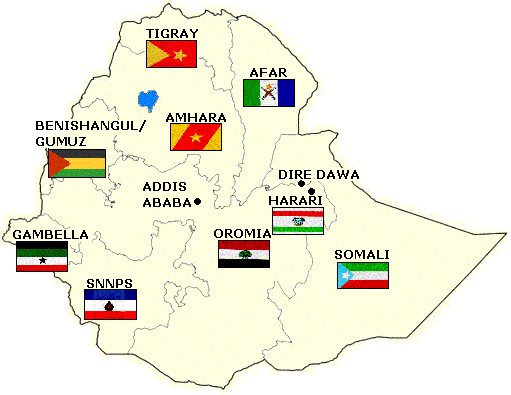
Ethiopia_Regional_map_of-FDRE
By Messay Kebede (PhD)
The prevailing assumption, which originates from the ideologues of ethnic politics, is that identity politics is a direct consequence of social inequalities resulting from the political or/and economic marginalization of groups of people defined by linguistic, racial, cultural, or religious particularisms. In response to the discrimination perpetuated by dominant groups, excluded groups politicize their particularisms to fight back and win equal treatments. They thus draw on their particularisms to forge political organizations that give them unity of purpose, articulate their grievances, and design strategies to implement their demands. on their particularisms to forge political organizations that give them unity of purpose, articulate their grievances, and design strategies to implement their demands.
Let us agree that groups suffering from discrimination have the absolute right to protest and fight to redress the inequalities. The question is to know whether the creation of ethnic parties is a sine qua non for achieving such a goal. There is no doubt that the unification under an ethnic organization has a practical advantage, obvious as it is that no better representative for their demands can be found than an organization led by ethnic kin and exclusive committed to the well-being of the group. The downside, however, is that the strategy advocates the primacy of group rights and tends to devalue the importance of individual rights, without which democracy is simply an empty word.
Indeed, the condition of ethnic politics pushes individual rights into the back scene. The primacy of the groups means that individuals are defined by their membership to the group. In thus being an element of the group, individuals forsake sovereignty or autonomy; whatever rights they have, they are a derivation of the group. In this condition, the group or those who speak in the name of the group are not accountable to individuals. In contrast, modern or real democracy advances the notion of the individual as citizen, thereby investing rights, not in the group, but in the individuals. In fact, the group has no rights; only individuals have rights. The community is a free association of autonomous individuals, that is, an association to which individuals transfer some of their rights to ensure and protect collective well-being.
One undeniable lesson of history is that ideologies based on the primacy of group rights invariably institute dictatorial regimes. Whether the group is defined in terms of class, as in Marxism-Leninism, or ethnicity, as advocated by various ethno-nationalist ideologies, or religion, as promoted by theocratic movements and states, the outcome is always the rise of authoritarian regimes. Ethiopia has consecutively experimented two dictatorial regimes, first in the name of class emancipation and, second, in the name of ethnic liberation. Even though the ethnonationalist ideology resulted in the independence of Eritrea, the outcome was no different: Eritrea is languishing under a terrible dictatorship.
Strange indeed is the Ethiopian response to ethnic marginalization. If one is convinced that the major problem of Ethiopia is the ethnic issue, then the remedy should not have been the creation of ethnic bantustans. How can the disease become its own cure? The right approach should have been the depoliticization of ethnicity through the creation of a political system bringing people together not by ethnicity or religion, but by the shared values of freedom and equality. Unlike ethnicization, which only aggravates the problem, this last solution would remove it by making ethnicity politically irrelevant. This irrelevance would, in turn, allow the protection of ethnicity as a cultural characteristic of Ethiopian diversity. Better yet, it would even advocate the rehabilitation of ethnicity as a prerequisite for the restoration of freedom and equality.
A specific impairment of the ethnonationalist ideology is the undermining of national cohesion, the outcome of which is that the national entity to which ethnic groups claim to belong become permanently infested with political instability and lack of legitimacy. Most African countries regularly remind us that, once the ethnic disease has taken root, the resulting tendency to recognize legitimacy only to the state that has clear ethnic references seriously damages national cohesion and with it the possibility of wide agreement on the workings of a truly representative democracy. So far, democracy has not emerged from political systems comprising groups defined as sovereign entities and probably it will never will.
The question that needs to be asked here is the reason why ethnic politics either institute dictatorial regimes or undermine nations by the constant threat of secession or effectively end up in secession, without however delivering the promised democratic outcome. No need to beat about the bush, we have to question the proclaimed goal of fighting to remove inequalities. The claim is nothing more than the apparent or seeming reason hiding the real intention, which is that ethnic politics is not so much about eliminating embedded inequalities as competing for the control of state power. In other words, ethnic politics is about elites vying for power: it is how elites amplify and use existing grievances to mobilize ethnic groups behind their leadership and try to seize power in their name. Short of power, these elites can also be quite content to become partner of the elite controlling state power, provided that they are given authority over their own ethnic groups. In the language of ethnic politics, the group achieves self-determination when it is ruled by kin elites, regardless of the type of rule to which the group is subjected.
Accordingly, the fundamental shortcoming of ethnic politics is that it does not contain the imperative of intra ethnic freedom and equality. It definitely protests against ethnic inequality, but it does it in the name of the group. This way of positing the problem does not subject emancipation to the effective exercise of freedom and equality by individuals. The group can be promoted to equality or even to hegemony over other groups, without thereby implying that the individuals composing the group should themselves be free or treated equally. This is the gist of the matter: unless individual rights are placed clearly above collective rights, the institutional mechanisms liable to put the representatives of the collective power under a democratic control are simply lacking.
As a matter of fact, the opposite tendency is more in line with ethnicization: those who claim to represent the group are not accountable to the individuals for the simple reason that sovereignty is invested in the group and individuals are not the source of authority. The ethnic constitution of Ethiopia begins with the statement, “We the Nations, Nationalities and Peoples of Ethiopia.” What comes first is not the free individual, but the group, that is, the nation or the nationality. And to dispel all misunderstanding, the constitution adds: “All sovereign power resides in the Nations, Nationalities and Peoples of Ethiopia.” By contrast, the American Constitution, for example, begins with, “We the People of the United States,” and immediately specifies that the Constitution is ordained and established by the people so that sovereignty belongs to the people, and not to tribal, ethnic, or religious groups. The contrast resides in the singular usage of people by the American Constitution to signify united individuals forming one nation whereas the Ethiopian version refers to a collection of sovereign entities subsuming individuals reduced to the common characteristic of language, race, or religion.
Since ethnicization targets the liberation of the group as a distinct and self-sufficient group, freedom and equality are not natural rights of individuals, but entitlements as members of a group. The dispensator of rights is the group, and so rights are not natural, that is, inherent in individuals as individuals, prior to any membership to a group. Opposing the primacy of the group, the article 1 of the Universal Declaration of Human Rights says: “All human beings are born free and equal in dignity and rights.” Equality and freedom are not derived from affiliation to a group; they are innate rights and, as such, inalienable. It is only as possessors of these natural rights that the ethnic or religious identities of individuals are protected since any discrimination violates article 2 of the Declaration stipulating that individuals enjoy all rights and freedoms, “without distinction of any kind, such as race, color, sex, language, religion, political or other opinion, national or social origin, property, birth or other status.” In other words, group rights are derivation of individual rights, and not the other way round.
A constitution advocating the primacy of group rights misses the fundamental shift in thinking that brought about modern democracy, namely, the notion of individuals as the source of all sovereignty. It belongs to the dustbin of history, given that it is no different from past monarchical systems in which sovereignty was invested in the monarch, the consequence of which was that the people were just subjects of the monarch. The thinking among ethnicist thinkers is that embedded ethnic inequalities cannot be overcome through the primacy of individual rights so that the primacy of group rights is the inevitable path to liberation. Precisely, the whole issue about the choice for a democratic society is that it requires the transformation of natural groups into free associations of sovereign individuals. Only thus can the group itself or those who claim to speak in the name of the group become accountable to the individuals composing the group. The condition of democracy is the dissolution of the group into sovereign individuals, who then recreate the group as a free, that is, as a contractual association.
What is more, without the effective guarantee of the primacy of individual freedom, group equality is meaningless. The ascendency accorded to a group leads to the mistaken thinking that the condition of its liberation is to deny all rights to the oppressor. This is to forget that the shackles by which you oppress the oppressors are also those that will silence you for the simple reason that the policy to oppress requires the establishment of a dictatorial system. Freedom is a special commodity: it exists only to the extent that it is shared. This truth has been stated loud and clear by none other than Nelson Mandela when he wrote: “Freedom is indivisible . . . To be free is not merely to cast off one’s chains, but to live in a way that respects and enhances the freedom of others.”
We catch here the fundamental derailment of the Ethiopian intelligentsia since the 60s, to wit, the thinking that the freedom of some groups is conditional on the taking away of freedom from other groups. This manner of positing the problem invariably results in the institution of dictatorship. Thus, the Derg’s red terror started, not with the massacre of EPRP’s members, but with the educated elite’s approval of the summary execution of 60 dignitaries of the imperial regime. What happened next was simply the reaping of what the same elite had sown.
That is why national reconciliation is the only way out for countries torn by internal conflicts. The pursuit of reconciliation rather than revenge admits the indivisibility of freedom; as such, it targets the generation of a win-win situation, aware as it is that the refusal of reconciliation does no more than invite dictatorship, the end product of which is the loss of freedom for everybody. Freedom gained at the expense of another comes back as a boomerang and shatters itself. Freedom, like charity, begins at home.
What all this amounts to is that the recognition of the sovereignty of individuals, which is, as we saw, the sine qua none of all democratic systems, must have precedence over everything, including the creation of ethnic regions. In Ethiopia, the opposite direction was taken: guerrilla elites, who represented no one but themselves, imposed the ethnic regions on the Ethiopian people by sheer force of arms. Accordingly, undoing this illegitimate act is the first step toward democracy through the restoration of the primacy of individual rights. Only when the people regain their absolute right to decide without any precondition and give their free consent by a majoritarian vote after an open and sustained debate between supporters and opponents of ethnic politics can ethnic regions become representative democratic units.
Those who now rule Ethiopia are quite aware of the severe drawbacks of ethnic politics. That is why we hear them glorifying the Chinese model, even though the ideologue and the founding father of the system, namely, the late Meles Zenawi, had repeatedly asserted in the past that multipartism is a must for Ethiopia owing to its ethnic diversity and protracted conflicts. To take China as a model is not only to reverse the prevailing thinking, but it is also to try to apply a model to a country that has little similarity with China, the most decisive difference being, of course, the Chinese unfamiliarity with ethnic entities. The recent infatuation with the Chinese model is an attempt to find a new justification for dictatorial rule, i.e. the continuous suppression of freedom and true democracy in exchange for economic advancement of the people. Since the divide and rule strategy of ethnicization has exhausted its ability to guarantee the continuous rule of the TPLF elite, there is need for an alternative ideology justifying dictatorship: hence, the exaltation of the Chinese model.
In the face of this futile attempt to delay the inevitable, genuine opposition must continue to demand the restoration of the right of Ethiopian people to decide whether or not they approve the ethnic fragmentation of the country. The divide of the Ethiopian opposition on the question of the acceptance of the TPLF constitution must give way to a unified stand demanding that the Ethiopian people must first be in a position to exercise its full sovereignty. The legitimate order is not first ethnicity and then individual rights; rather, it is first individual rights and then ethnicity, if the people so choose by a clear and free vote. The first method puts the cart before the horse and, as such, gives up legitimacy in favor of a dictate by force of arms; the second starts from freedom and yields a legitimate power, thereby avoiding the deadly contradiction of promising freedom in a political system whose founding act is the denial of freedom by sequestrating people behind ethnic borders.

አቶ በረከት ስምኦን የኢቲቪ ቦርድ ሰብሳቢነቱን ለአቶ ሬድዋን ሁሴን አስረከቡ

811527151a3912111383158179
October 30th, 2013
የሹመቱ አግባብነት ጥያቄ አስነስቷል
አፈጉባዔ አባዱላ ጠ/ሚኒስትሩ በሹመቱ ላይ ማብራሪያ ለመስጠት አይገደዱም አሉ
የሕዝብ ተወካዮች ምክርቤት ለኢትዮጵያ ራዲዮና ቴሌቪዥን ድርጅት የሥራ አመራር ቦርድ ኃላፊነት ጠ/ሚኒስትር ኃ/ማርያም ደሳለኝ ያቀረቡትን ሹመት ተቀብሎ አጸደቀ። በዚሁ መሠረት ድርጅቱን ለረዥም ጊዜ በቦርድ ኃላፊነት ባገለገሉት አቶ በረከት ስምኦን ምትክ አቶ ሬድዋን ሁሴን የድርጅቱ ቦርድ ሰብሳቢ ሆነው ተሹመዋል።
ጠ/ሚኒስትር ኃ/ማርያም ትናንት ለም/ቤቱ በላኩትና የአማካሪ ም/ቤት አስቀድሞ ሳይመክርበት በድንገት በቀረበው ደብዳቤ መሰረት ለኢትዮጵያ ራዲዮና ቴሌቪዥን ድርጅት ስምንት አባላት ያሉት የስራ አመራር ቦርድ አባላትን መሾማቸውን አሳውቀዋል። በዚሁ መሠረት በቅርቡ የመንግሰት ኮምኒኬሽን ጽ/ቤት ሚኒስትር ሆነው የተሾሙት አቶ ሬድዋን ሁሴን የድርጅቱ ቦርድ ሰብሳቢ ሆነው ሲሾሙ በቅርቡ ለረዥም ጊዜ ካገለገሉበት የብሮድካስት ባለስልጣን ዋና ዳይሬክተር ኃላፊነታቸው ተነስተው በጠ/ሚኒስትር ጽ/ቤት የሕዝብ ተሳትፎ አደረጃጀት ዘርፍ ሚኒስትር ዴኤታ ሆነው የተሾሙት አቶ ደስታ ተስፋው አባል፣ በቅርቡ በሚኒስትር ዴኤታ ማዕረግ የምክትል ጠ/ሚኒስትሩ አማካሪ በመሆን የተሾሙት አቶ አማኑኤል አብርሃም አባል፣ አቶ ዓቢይ መሐመድ ከሕዝብ ተወካዮች ም/ቤት አባል፣ አቶ ገበየሁ በቀለ ከአዲስአበባ ዩኒቨርሲቲ አባል፣ ዶ/ር አብዲሳ ዘርዓይ ከአዲስአበባ ዩኒቨርሲቲ አባል፣ መጋቢ ዘሪሁን ደጉ ከእምነት ተቋማት አባል፣ አቶ ዘርዓይ አስገዶም ከኢቲቪ አባል በመሆን ተሹመዋል።
የተሰናባቹ የኢትዮጵያ ራዲዮና ቴሌቪዥን ድርጅት የስራ አመራር ቦርድ አባል መሆናቸውን የተናገሩ አንድ የም/ቤት አባል ሹመቱን አስመልክቶ በሰጡት አስተያየት ሹመቱ ግልጽነት የጎደለው መሆኑን በመጥቀስ ማብራሪያ ጠይቀዋል። እንደእሳቸው አባባል ለሕዝብ ተወካዮች ም/ቤት ተጠሪ የሆኑ የመንግስት የሚዲያ ተቋማት መካከል የኢትዮጵያ ራዲዮና ቴሌቪዥን ድርጅት እና የኢትዮጵያ ፕሬስ ድርጅት መሆናቸውን በማስታወስ ለሁለቱ ተቋማት 4ኛው የሕዝብ ተወካዮች ም/ቤት ሹመት መስጠቱን አስታውሰዋል። አሁን የቴሌቪዥን ቦርድ በድክመት ባልተገመገመበት ሁኔታ ለብቻው ተለይቶ በተናጠል እንዴት ሹመት ሊሰጥ እንደቻለ ጠይቀዋል። “ምናልባት ሰብሳቢው ቦታውን ለውጦ ከሆነ ያ ቦታ የተካው ሰው መያዝ ሲገባው የስራ አመራር ቦርድ አባላት ድክመት ባልገመገምንበት ሁኔታ ቦርዱ እንደ አዲስ ሊሰየም የተፈለገበት ምክንያት አልገባኝም” ሲሉ አባሉ አስቀምጠዋል። በተጨማሪም የቀድሞ ቦርድ ቁጥሩ ዘጠኝ የነበረ ሲሆን አሁን ቁጥሩ ለምን ወደ ስምንት ዝቅ አለ ሲሉ የጠየቁ ሲሆን ሌሎች የም/ቤቱ አባላትም ከእምነት ተቋም ተወካይ ቦርዱ ውስጥ የገባበት ምክንያት እንዳልገባቸው፣ ከዚህ ይልቅ ከሲቪል ማህበር ቢሆን ይሻል እንደነበር እንዲሁም የሴቶች ተሳትፎ በሹመቱ ውስጥ መዘንጋቱ በጥያቄ መልክ ተነስቷል።
አቶ አባዱላ ገመዳ የም/ቤቱ አፈጉባዔ በሰጡት ምላሽ ጠ/ሚኒስትሩ በማንኛውም ጊዜ ሚኒስትሮችን ሲያነሱ ማብራሪያ እንደማይጠየቁ ሁሉ የቦርድ አባላትንም ሲሰየሙ ማብራሪያ ለመስጠት እንደማይገደዱ ተናግረዋል። የአሁኑ ቦርድ አሰያየም ፖለቲካን ብቻ ሳይሆን የሙያ አቅምንም መሰረት ያደረገ ነው ካሉ በኋላ የሴቶች ተሳትፎ መጓደልን በተመለከተ መልዕክቱን እንደሚያደርሱ ገልፀዋል።

Sunday, October 27, 2013

ሕዝባዊ እምቢተኝነት በውጭ አገር፤ እንዴት?

ግንቦት 7: የፍትህ፣ የነፃነትና የዲሞክራሲ ንቅናቄ በሁለገብ ትግል ወያኔ ማስወገድ ይገባል ብሎ የሚያምና ለዚህም የሚታገል ድርጅት ነው። “ሁለገብ ትግል” ሲባል ሰላማዊም ሰላማዊ ያልሆኑም የትግል ስልቶችን መጠቀም ማለት ነው። “ሁለገብ ትግል” ሲባል በአገር ውስጥም ከአገር ውጭም የሚደረጉ ትግሎች ማለት ነው።
ከዚህ አንፃር በውጭ አገራት የሚገኙ ኢትዮጵያዊያን ሚና ምን ሊሆን ይገባል?
በግንቦት 7 እምነት በውጭ አገራት የሚገኙ ኢትዮጵያዊያን በድጋፍ ሰጭነት ሳይወሰኑ የትግሉ ቀጥተኛ ተሳታፊዎች መሆን ይኖርባቸዋል። በውጭ አገር የሚኖሩ ኢትዮጵያዊያን በወያኔ ጥቅሞችና ተቋማት ላይ በማመጽ ኢትዮጵያ ውስጥ ለሚገኙ ኢትዮጵያዊያን አርዓያ መሆን ይኖርባቸዋል።
በዚህ ረገድ የተጀመሩ አበረታች ጥረቶች አሉ፤ ለምሳሌ:
  1. ወያኔ ሙስሊሞችን ከክርስቲያኖች ለማጣላት ያልፈነቀለው ድንጋይ የለም። በውጭ አገራት የሚገኙ ኢትዮጵያዊያን “እንቢ አንጣላልህም” ያሉት መሆኑ የሚያኮራ ነው። ወያኔ ከጠበቀው በተቃራኒ የሁለቱም ሃይማኖቶች መሪዎች በጋራ ጉዳዮች ላይ ሲመክሩ መታየቱ ተስፋ ሰጪ ጅማሮ ነው። አብሮነታችንን ማጎልበትና ይህንን በአደባባይ፣ በአዳራሾች፣ በቴሌቪዥን መስኮቶች ለኢትዮጵያ ሕዝብ ማሳየት እጅግ አስፈላጊ ነገር ነው። ውጭ የተጀመረው አገር ቤት መዳረሱ የማይቀር ነው። ይህ ሥራ ተጠናክሮ መቀጠል ይኖርብናል።
  2. ወያኔ በአባይ ግድብ ስም በውጭ አገራት ከሚገኙ ኢትዮጵያዊያን በርከት ያለ ገንዘብ እንደሚያገኝ ተስፋ አድርጎ የነበረ ቢሆንም ኢትዮጵያዊያን “ከአባይ በፊት የሰብዓዊ መብት ጥሰት ይገደብ” “ከአባይ በፊት ሙስና ይገደብ” እያሉ ወዋጮዎቹን እንቢ ብለዋል። በዚህ ጉዳይ ላይ እስካሁን የታየው ጽናት በጣም አበረታች ነው። የወያኔ ሹማምንት በአባይ ጉዳይ እንኳንስ ገንዘብ ስብሰባም ሊሰበሰቡ አልቻሉም። ይህም ተጠናክሮ ሊቀጥል ይገባል።
  3. ኢትዮጵያዊያን በስፖርትና በኪነጥበባት መስኮች የሚያደርጓቸው መሰባሰቦች ለትግሉ ትልቅ እገዛ ይሰጣሉ። የኢትዮጵያ ስፓርት ፌዴሬሽን በሰሜን አሜሪካ (ESFNA) ከወያኔና ከወያኔ ሸሪክ ቱጃር ጋር ያደረገው ትንንቅ የሚያኮራ ነው። በርካታ ኢትዮጵያዊያን አገር፣ ነፃነት፣ ክብር ይበልጥብኛል ብለው የቀረቡላቸውን አጓጊ ማባበያዎችን “እንቢ” ብለዋል። ይህ ተጠናክሮ ሊቀጥል ይገባል።
  4. ባለፈው ዓመት ጋዜጠኛ አበበ ገላው በመለስ ዜናዊ ላይ፤ ዘንድሮ ደግሞ ጋዜጠኛ ሳዲቅ አህመድና አቶ መስፍን የዘረኛው ወያኔ ግንባር ቀደም አስተባባሪ በሆነው ስብሀት ነጋ ላይ ያሰሙት ተቃውሞ በጣም የሚደገፍና በውጭ አገራት የምንገኝ ኢትዮጵያዊያን ሁሉ ባህል ሊሆን ይገባዋል።
  5. በስዊድን የሚገኙ የሕግ ባለሙያዎች የጀመሩት እና በኢትዮጵያዊያን ከፍተኛ ተሳትፎ እየተካሄደ ያለው የወያኔ ወንጀለኞችን ወደ ፍርድ የማቅረብ ሂደት ተጠናክሮ መቀጠል አለበት።
እነዚህ መልካም ሥራዎች ምሳሌቶች ሲሆኑ በውጭ አገራት የሚገኙ ኢትዮጵያዊያን ከዚህ በላይ ማድረግ ይጠበቅባቸዋል። አንዳንዱን ለአብነት ያህል ከዚህ በታች ተዘርዝረዋል።
  1. በአገራችን ውስጥ መሠረታዊ የሆነ ለውጥ እንዲመጣ ከፈለግን ወያኔን ማስደንገጥ፣ ማሸበር፣ ካስፈለገም ማስወገድ የሚችል የአመጽ ኃይል መኖሩ ወሳኝ ነው። እንዲህ ዓይነት የወገን ኃይል ከጀርባው መኖሩ ሲሰማው ነው ሕዝብ ለእንቢተኝነት የሚነሳሳው። በውጭ አገራት የሚገኙ ኢትዮጵያዊያን ይህንን ኃይል ቢቻል መቀላቀል፤ ካልተቻለም በአባላት ምልመላ፣ በፋይናንስ፣ በሎጂስቲክስና ዲፕሎማሲ መደገፍ ይጠበቅባቸዋል። ይህ ከሁሉ የላቀ የእምቢተኝነት መገለጫ ነው።
  2. ትግሉ እየመረረ መሆኑ በመረዳት በርቀት ሆነን ከመብሰክሰክ በትግል ላይ ያሉትን ድርጅቶች መቀላቀል ሌላው አሁኑኑ ልናደርገው የሚገባ ነገር ነው። ድርጅቶች “አይረቡም” ብለን ስላጣጣልናቸው አይጠናከሩም። ድርጅቶችን ማጠናከርና ማዘመን ያለብን እኛው ነው። መሪዎችን ማውጣት ያለብን እኛው ነው። እስካሁን ድርጅቶችን ያልተቀላቀልን ካለን መቀላቀልና ትግሉን ማጧጧፍ ይኖርብናል።
  3. በየተገኘው አጋጣሚ ሁሉ ወያኔን “እንቢ” እንበል። “እንቢ” የማለትን አጋጣሚ ማሳለፍ የለብን። “እንቢ” ማለት የምንችልባቸው አጋጣሚዎች ብዙዎች ናቸው። ለምሳሌ: -
ሀ) ወያኔ የመኖሪያ ቤቶች ግንባታን አዲስ የገንዘብ ማለቢያ ለማድረግ አቅዶ ተነስቷል። ወደ ሚሊዮን የሚጠጉ ቤቶችን በ2 ዓመት ጨርሼ አስረክባለሁ በሚል ማባበያ በውጭ አገራት ከሚገኙ ኢትዮጵያዊያን ገንዘብ ለመሰብሰብ ዝግጅቱን አጠናቋል። ይኸንን ነገር አጠንክረን “እንቢ” ማለት ይኖርብናል። “ለኛ ቤት ከመሰጠቱ በፊት፤ የተፈናቀሉ ወገኖቻችን መወደቂያ ያግኙ” ማለት ካልቻልን በራሳችን ማፈር አለብን። የአውሮፓና የአሜሪካ መንግሥታትን አምባገነኖችን በገንዘብ አትደግፉ እያልን እኛ ራሳችን ወያኔን በገንዘብ የምንደግፈው ከሆነማ ከነሱ ብሰን መገኘታችንን እንወቀው።
ለ) ወያኔ በስደተኛ ስም በመካከላችን የሰገሰጋቸውን ካድሬዎችን የማጋለጥ ዘመቻ ማፋፋም አለብን። የወያኔ ደጋፊዎችን በኤርትራ ስደተኞች ስም እንደሚገቡ መረጃዎች አሉ። በደል ደርሶብናል ብለው መንግሥታትን አሳምነው የመኖሪያ ፈቃድ ካገኙ በኋላ አጠቃን ካሉት አገዛዝ ጋር የሚሠሩ መሆናቸው የሚያረጋግጡ ማስረጃዎችን አጠናቅረን ለየሀገሩ መንግሥታ ማቅረብ እንደ አቢይ ሥራ መያዝ ይኖርብናል።
ሐ) የወያኔ ባለሥልጣናት የሚገዟቸውን ቤቶች፤ የሚያስተዷድሯቸውን ቢዝነሶች እያደንን ማጋለጥ ይኖርብናል።
መ) የወያኔዎች ሹማምንት በአሜሪካና አውሮፓ በነፃነት ሊዘዋወሩ አይገባም። በሄዱት ሁሉ ተቃውሞና ውርደት ሊከተላቸው ይገባል።
ሠ) የወያኔ ቢዝነሶች ላይ ማዕቀብ ማድረግን (ቦይ ኮት) መልመድ አለብን። ጥረቶቻችንን በፈጠራ ከደገፍን ወደ አገር ቤት የምንልከው ገንዘብ የወያኔ የውጭ ምንዛሬ ረሀብ ማስታገሻ የማይሆንበት መንገድ መሻት አለብን።
ረ) ለወያኔ ባለሥልጣኖች ዲግሪ የሚያድሉ ዩኒቨርስቲዎችና ኮሌጆችን ማዋረድ መጀመር አለብን። ስምንተኛ ክፍል እንኳን በወጉ ላልጨረሱ ሰዎች የማስትሬት ዲግሪ እንደሰጡ ማሳወቅ የኛ ኃላፊነት መሆን አለበት።
በግንቦት 7 እምነት ትግሉ በሁሉም ሥፍራ ነው። ኢትዮጵያዊያን በያለሉበት ቦታ በተደራጀና በተቀናጀ መልክ ወያኔን ፊት ለፊት ከተጋፈጥን የድላችን ቀን እናቀርባለን።
ድል ለኢትዮጵያ ሕዝብ!!